
Fractional COO · Fractional CGO
Built for HVAC, plumbing, roofing, and electrical companies that are growing but feel stuck, chaotic, or too dependent on the owner.
You don’t need another agency. You need someone who has run a business to sit at the table with you. A fractional COO for home services gives you senior operating leadership for part of the month. You get the strategy, the plan, and someone to see it through.
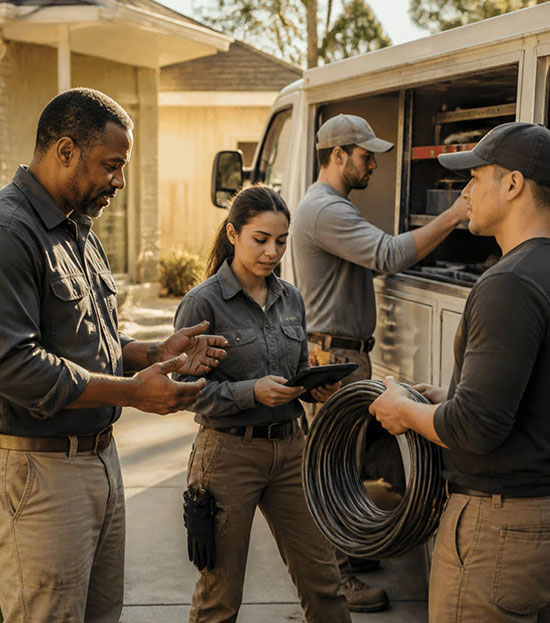
logistics operation grown
asphalt company in 12 months
new profit found for a plumbing company
Home services is one of the best industries in the country to own a business in. It’s also one of the hardest to grow past $5M without breaking something.
Start with the seasons. In the South and Southwest, AC season runs most of the year. Up north, the phones light up when pipes freeze and furnaces quit. Either way, your HVAC and plumbing techs work 12 hours a day in the peak. Then the weather turns, and the board goes quiet. Most shops staff for the peak and bleed cash in the slow weeks. Or they staff for the slow weeks and lose jobs in the peak.
Then there’s storm season. One hurricane, hail storm, or wind event can flood your roofing and restoration pipeline overnight. Storm chasers from out of town show up with yard signs and low bids. A homeowner gets ten calls in one day. The company that follows up fastest wins. Not the best company.
Most metros keep spreading out, too. New subdivisions go up on the edge of town while older neighborhoods need repairs in the core. Two calls can sit an hour apart. Bad routing eats your margin before the tech opens the truck.
Competition keeps getting tighter. Private equity groups are buying HVAC, plumbing, and electrical shops in every major market. They have deep pockets and real operating teams. And good techs are hard to find, because every shop in town is hiring.
So owners do what makes sense. They buy more leads. They hire another agency. They add another truck. Revenue moves a little. The chaos grows a lot.
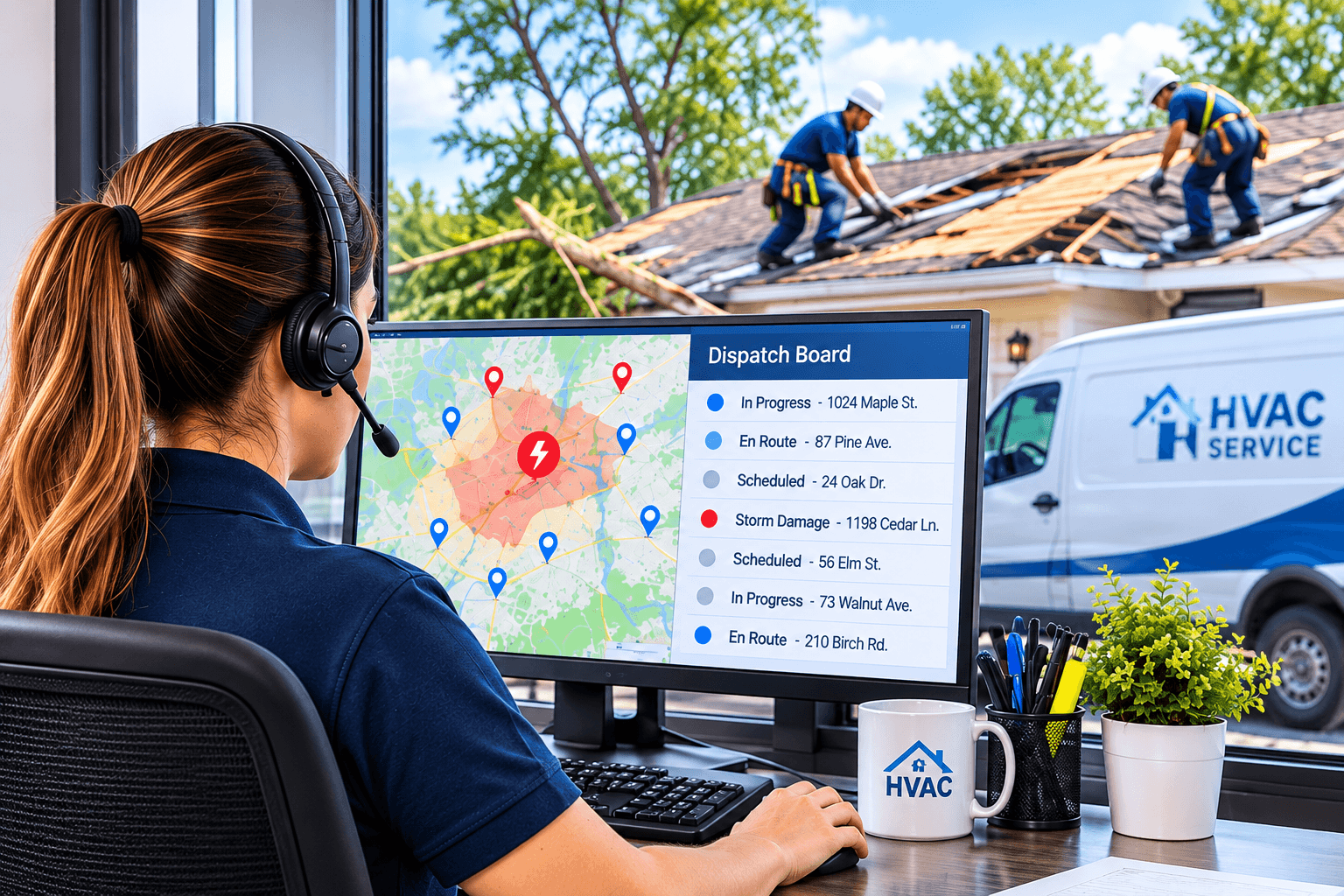
Unpredictable workloads make staffing difficult.
Slow follow-ups allow competitors to win customers.
Long travel times reduce technician productivity.
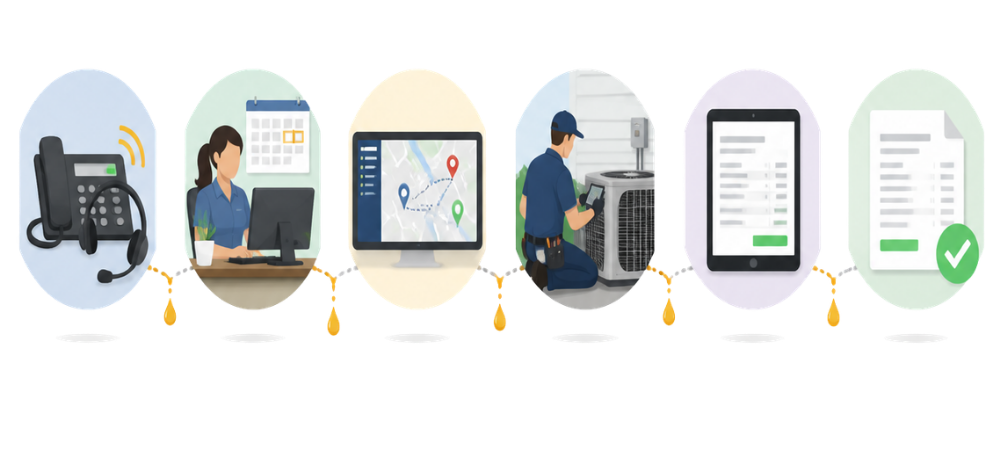
Here’s what a fractional COO sees over and over with home service companies. The owner thinks the fix is more calls. So they spend more. But the extra calls land in a business that can’t hold them.
Think about where a lead goes after the phone rings. Your CSR has to book it. Dispatch has to route it. The tech has to diagnose it, present options, and close it. The price has to cover your real costs. Then someone has to collect the money. If any one of those steps leaks, more leads just means a bigger leak.
More leads won’t fix:
A price book that hasn’t changed in three years
CSRs who book half the calls they should
Dispatch that sends your best closer to an $89 maintenance call
Techs who quote one option instead of three
Estimates that nobody ever follows up on
Managers who wait for you to make every call
That’s not a channel problem. It’s an operations problem.
Some owners call this role a Fractional Chief Growth Officer, or Fractional CGO. The title matters less than the job. One person owns how the whole business grows, not just how many leads come in.
A fractional COO looks at the whole path, from the first Google search to the final invoice. Marketing is still part of the job. Your local SEO, Google Business Profile, Local Service Ads, and paid search all need to work. But they only pay off when the rest of the business is ready for the work they bring in.
That’s the difference between a marketing vendor and a fractional COO for home service businesses who has actually run the operation.
Most owners we talk to aren’t short on effort. They’re short on time, margin, and a system that doesn’t need them to approve every job. Here’s what fractional COO services actually change for HVAC, plumbing, roofing, and electrical companies.

Most owners run on gut feel and a bank balance. We set up a simple weekly scoreboard. Booking rate, close rate, average ticket, gross margin by job type, and cash collected. Every number gets an owner. You stop guessing and start managing.
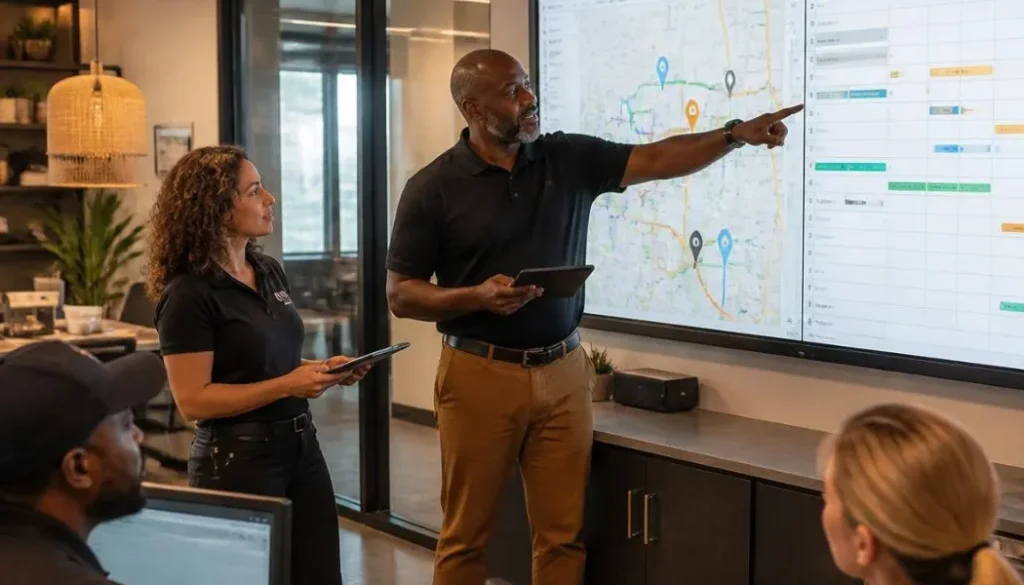
We plan the schedule around how many techs and crews you really have. Better routing. Smarter call priority. A plan for peak season and a plan for the slow months. Your best people spend their day on the right jobs.

This is often the fastest win a fractional COO can deliver. We look at call recordings, booking rates, and close rates. We fix call scripts, estimate steps, and the way your team follows up. Booking even a few more calls each day can change your whole year. And it costs less than buying new leads.
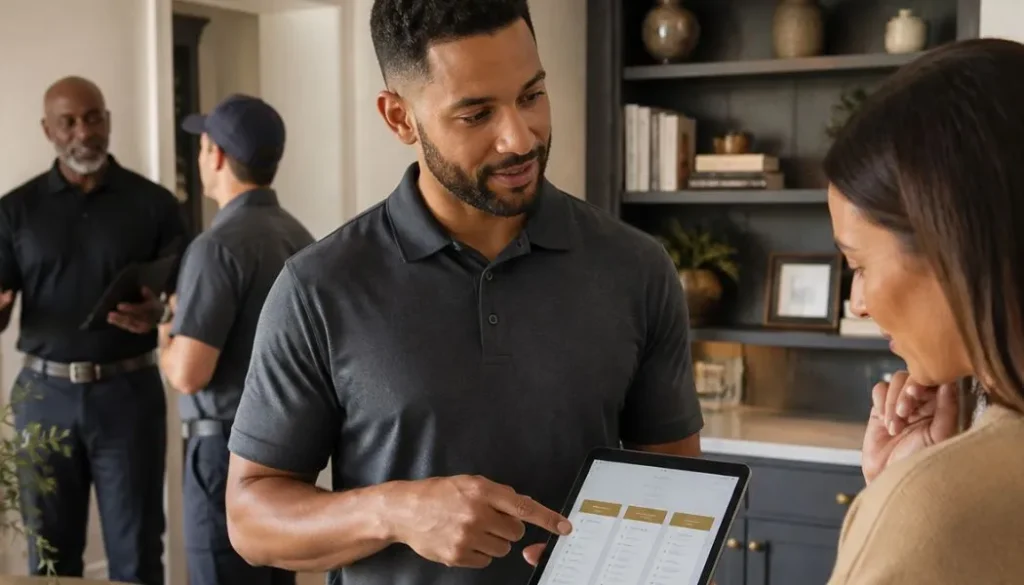
Homeowners will pay for speed, trust, and good options. We help you build a price book and offer tiers that reflect that. Your techs present them with confidence. Maintenance memberships give you steady revenue when the weather turns mild. Your margin stops shrinking every time equipment and labor costs go up.

Good people quit messy companies. We build simple job roles, training steps, and pay plans tied to the numbers that matter. Your managers know what “good” looks like. Your techs know how they win.

Marketing still matters. We track jobs and revenue by channel, not just clicks. Then we double down on what works and cut what doesn’t. For a lot of shops, that means leaning harder on Google Business Profile and Local Service Ads, and pulling back on lead sites that sell the same homeowner to four companies.

Every fractional COO engagement starts the same way. In the first 30 days, we audit your numbers, your operations, your call handling, and your pricing. In days 31 to 60, we fix the biggest leak first. In days 61 to 90, we build the plan for the next two quarters and set the scoreboard your team will run on.
You won’t get a giant slide deck and a goodbye. You’ll get a short list of fixes, owners for each one, and a weekly call to keep them moving.

The goal is a business that runs without you in every decision. Clear roles, a weekly meeting rhythm, and managers who own their numbers. You get your time back. And your company becomes worth more if you ever decide to sell.